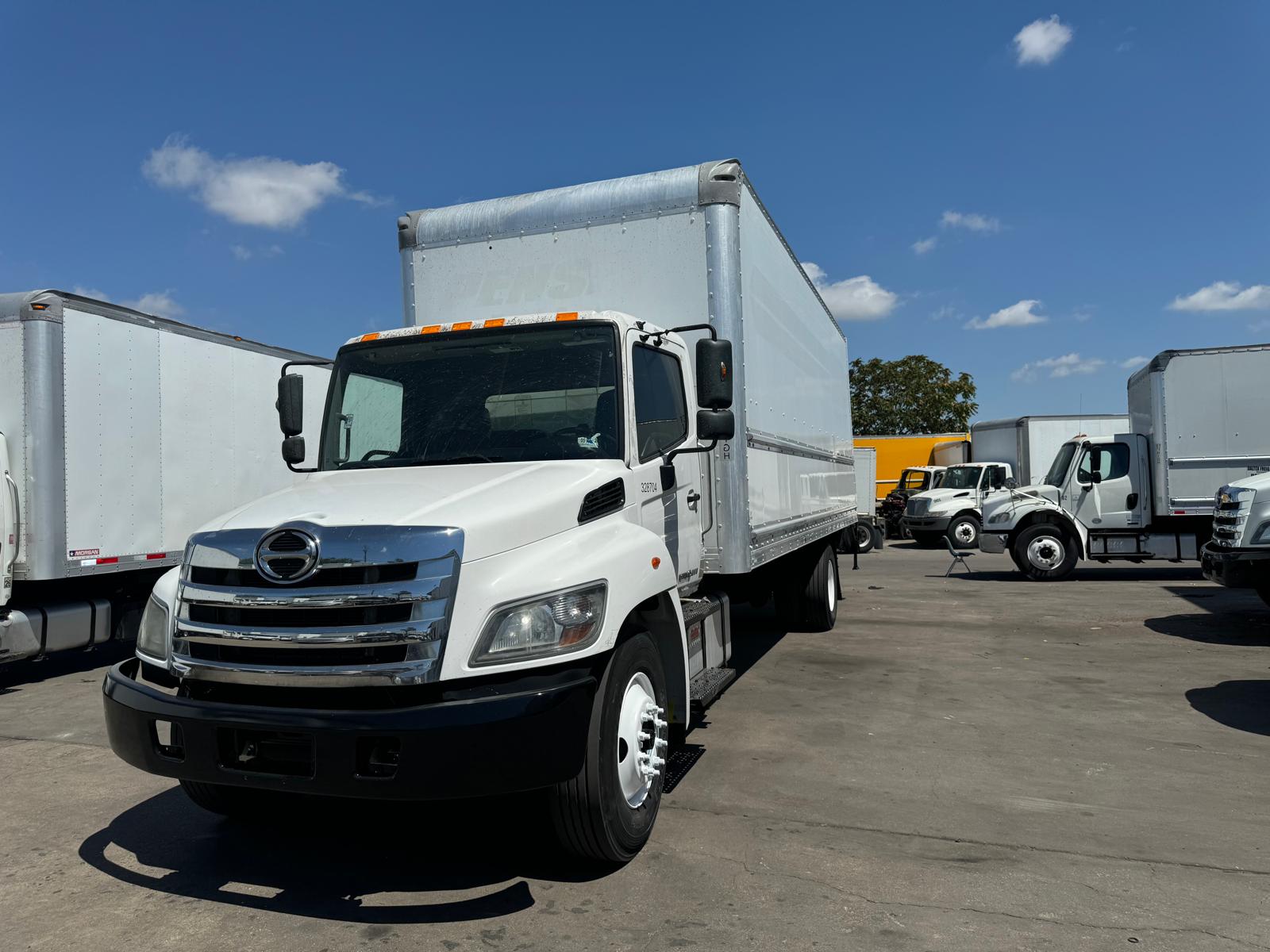
Buying a used truck offers lower upfront costs, slower depreciation, reduced insurance expenses, and reliable long-term performance. It is a practical option for businesses and individuals looking to maximize value while minimizing financial risk.
Introduction
When it comes to choosing a truck for business or personal use, the decision often comes down to new vs used. While new trucks may seem appealing due to the latest features and untouched condition, used trucks often provide a more balanced combination of cost efficiency, reliability and long-term value.
This guide explores the real advantages of buying used trucks, helping you understand why they continue to be a preferred choice for smart buyers and growing businesses.
1. Cost Savings and Higher Value for Investment
One of the most significant advantages of buying a used truck is the substantial reduction in upfront cost.
- Used trucks are typically 20%–50% less expensive than new ones
- Buyers can afford better models or higher trims within the same budget
- More capital remains available for operational expenses, marketing or scaling a business
For small businesses and startups, this lower entry cost can make a huge difference in cash flow management.
2. Lower Insurance and Financial Burden
Insurance costs are often overlooked, but they play a major role in long-term ownership expenses.
- Premiums are based on the vehicle’s current value
- Used trucks generally have lower insured value
- This results in more affordable insurance coverage
Over time, this leads to consistent savings especially important for businesses operating multiple vehicles or fleets.
3. Proven Reliability and Real-World Performance
Modern trucks are engineered for durability and heavy-duty usage.
A well-maintained used truck can:
- Perform efficiently under demanding conditions
- Deliver consistent mileage and engine performance
- Operate for 200,000 km or more with proper maintenance
Unlike new vehicles, used trucks often come with a track record of real-world performance, making it easier to assess their reliability.
4. Access to a Wider Range of Options
The used truck market offers significantly more variety compared to new inventory.
Buyers can explore:
- Older or discontinued models
- Multiple engine configurations (diesel, heavy-duty, etc.)
- Custom builds or modified trucks
- Premium features at reduced prices
This wider selection allows buyers to find a truck that perfectly matches their specific operational needs.
5. Reduced Depreciation and Better Value Retention
Depreciation is one of the biggest financial drawbacks of buying a new truck.
- New trucks can lose 15%–30% of their value within the first year
- The steepest depreciation occurs in the first few years
- Used trucks have already absorbed this loss
As a result:
- Their value declines more gradually
- Resale value remains more stable
- Financial risk is significantly lower
This makes used trucks a smarter long-term investment, especially for business owners.
6. Lower Total Cost of Ownership (TCO)
Total Cost of Ownership includes all expenses associated with owning and operating a vehicle.
For used trucks, this includes:
- Lower purchase price
- Reduced insurance premiums
- Slower depreciation
- Comparable maintenance costs (if well maintained)
When combined, these factors result in a lower overall financial commitment and a higher return on investment over time.
7. Easier Upgrades and Flexibility
Because used trucks cost less upfront, buyers have more flexibility to:
- Upgrade sooner
- Expand fleets faster
- Replace vehicles without major financial strain
This is especially useful for growing businesses that need to adapt quickly to demand.
8. Environmental and Sustainability Benefits
Choosing a used truck contributes to reducing environmental impact.
- Decreases demand for new vehicle manufacturing
- Saves energy and raw materials used in production
- Reduces overall carbon footprint
Extending the life of existing vehicles is a practical way to support sustainable transportation practices.
9. Availability of Maintenance History and Inspection Data
Many used trucks come with detailed records, such as:
- Service and maintenance history
- Repair records
- Inspection reports
This transparency allows buyers to make more informed decisions, reducing uncertainty and risk.
10. Faster Availability and Immediate Use
Unlike new trucks, which may involve waiting periods or production delays, used trucks are usually:
- Available for immediate purchase
- Ready for use right away
- Easier to deploy into operations
This is crucial for businesses that need to start or expand operations quickly.
Used Trucks vs New Trucks: Key Differences
Understanding the core differences helps clarify why used trucks are often the more practical option.
| Factor |
Used Truck |
New Truck |
| Cost |
Lower upfront investment |
Higher purchase price |
| Depreciation |
Slower depreciation |
Rapid initial depreciation |
| Insurance |
Lower premiums |
Higher premiums |
| Value Retention |
More stable resale value |
Faster value loss |
| Availability |
Immediate |
May involve waiting period |
Read More – The Ultimate Box Truck for Your Business Needs
Who Should Consider Buying a Used Truck?
Used trucks are ideal for:
- Small business owners launching operations
- Logistics and delivery companies expanding fleets
- Budget-conscious buyers
- First-time truck owners
- Contractors and service providers
They offer a strong balance between affordability, performance and practicality.
Common Misconceptions About Used Trucks
“Used trucks are unreliable”
Not necessarily. Reliability depends on maintenance, not age. A well-maintained used truck can perform as well as a new one.
“Maintenance costs are always higher”
While some used trucks may require repairs, proper inspection and selection can minimize unexpected costs.
“New trucks are always a better investment”
In many cases, the rapid depreciation of new trucks makes used trucks a more financially sound option.
Conclusion
Buying a used truck is a practical and cost-effective decision backed by real financial and operational benefits. From lower upfront costs and reduced depreciation to proven reliability and wider options, used trucks offer strong long-term value.
With proper research and careful evaluation, buyers can confidently choose a used truck that meets both their performance needs and budget requirements.
FAQs
Is buying a used truck a good idea?
Yes, buying a used truck is a good idea because it offers lower cost, reduced depreciation and reliable performance when properly maintained.
How much can you save by buying a used truck?
You can typically save between 20% and 50% compared to buying a new truck.
Do used trucks last long?
Yes, most modern trucks can last 200,000 to 300,000 km or more with proper maintenance.
What are the risks of buying a used truck?
The main risks include poor maintenance history, hidden damage and unexpected repair costs if the vehicle is not properly inspected.
What should you check before buying a used truck?
You should check service history, engine condition, mileage, accident records, ownership details and legal documentation.